Category: Birding

  • Hiking the Napali Coast Trail to Hanakapi’ai Beach

    What a treat it was to explore the Napali Coast Trail with Vida, and we were primed for an adventure along Kauai’s rugged northwest shore. Towering cliffs, lush valleys, and hidden beaches beckoned, and our destination was Hanakapi’ai Beach. This journey was not just a physical escapade; it was an  exploration of the untouched beauty of nature, shared between two adventurers.

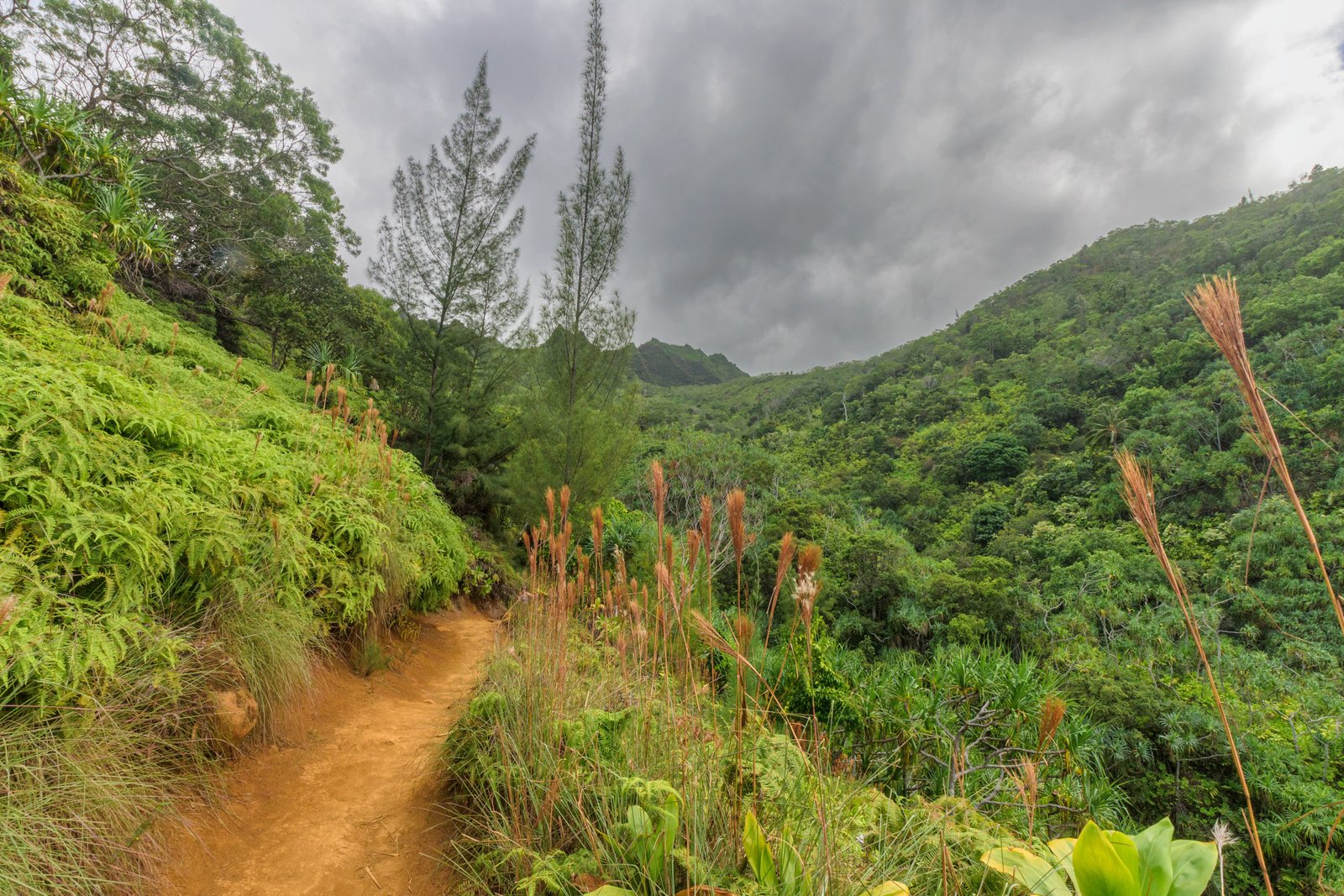
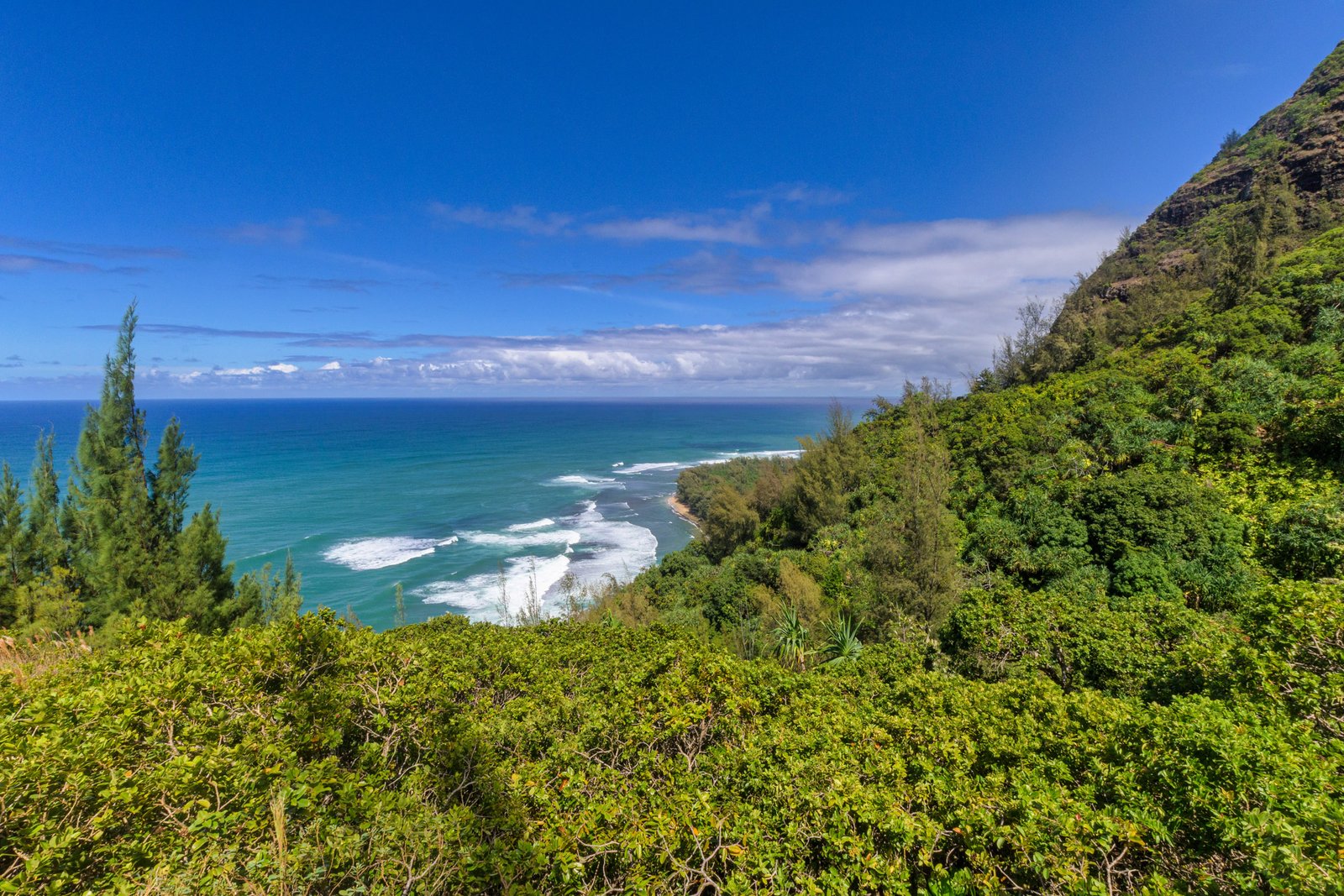
    The Kalalau Trail trailhead was located near the iconic Ke’e Beach. The landscape immediately enveloped us in the vibrant palette of the Napali Coast, with colossal cliffs juxtaposed against the Pacific’s azure expanse. We found ourselves navigating a path through dense foliage, a gateway into the heart of this pristine natural wonder.

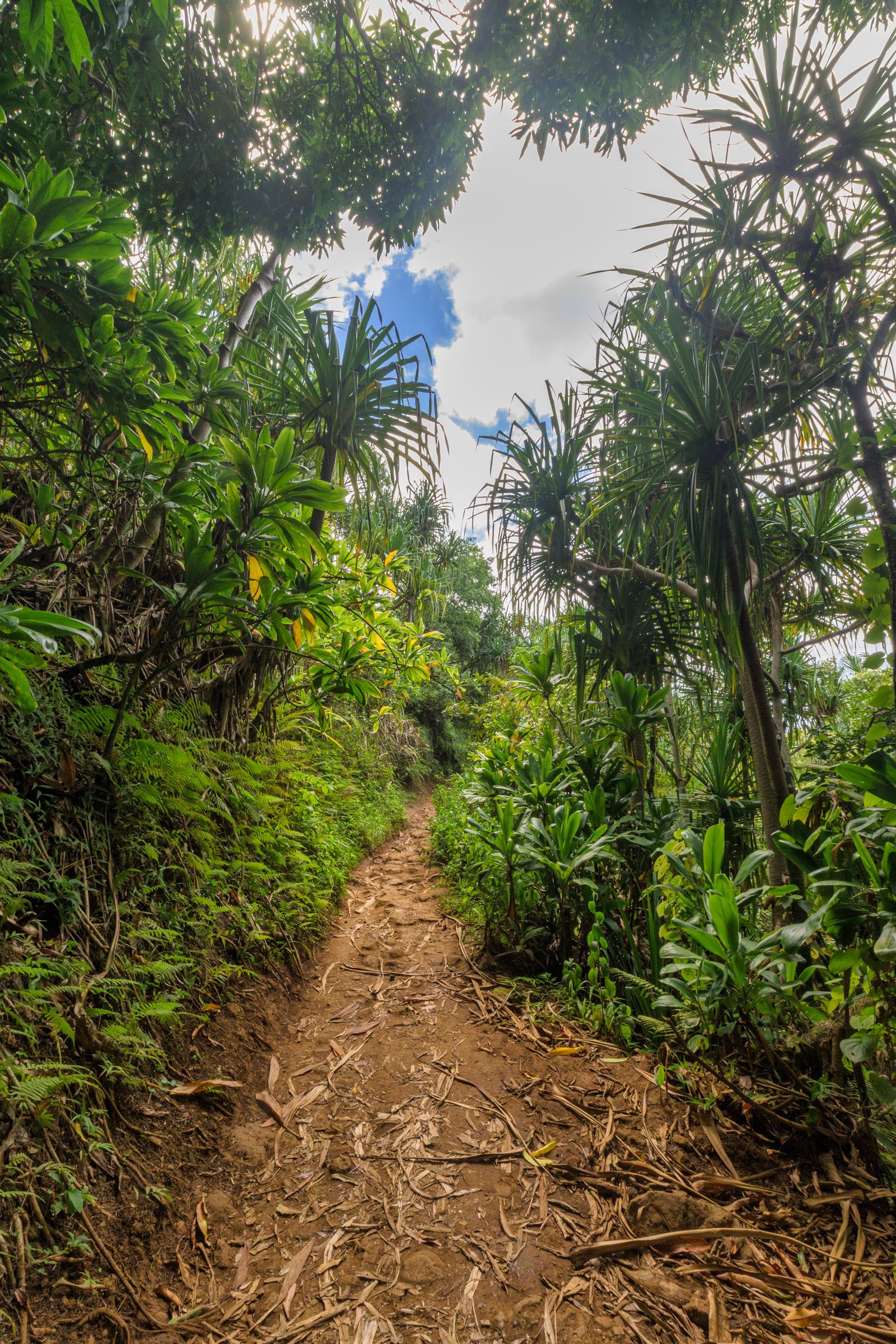
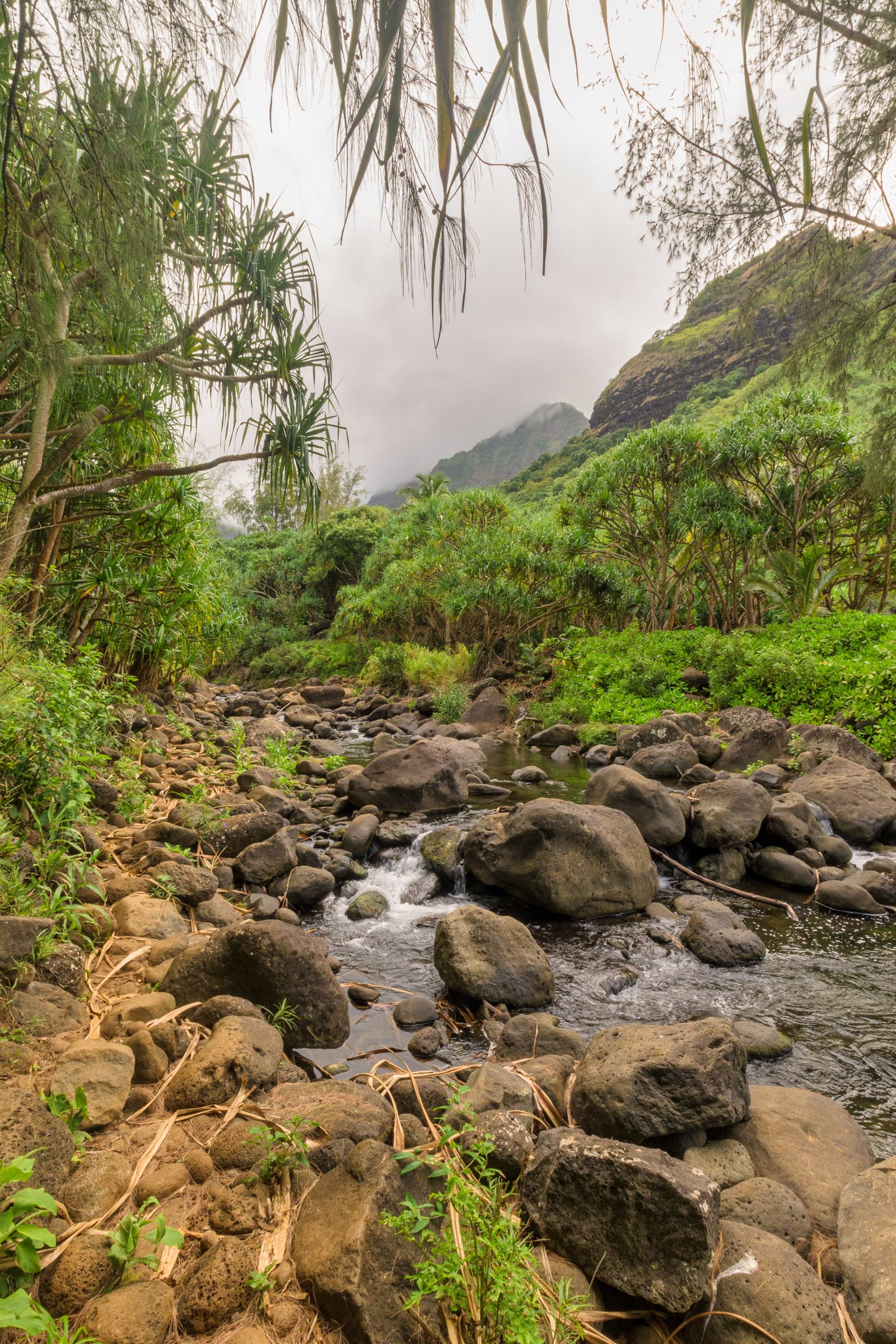
    The two-mile trek along the Napali Coast Trail to Hanakapi’ai Beach unfolded like a over-sensory tapestry. The trail guided us through tropical forests, across babbling streams, and presented dynamic views of the coastline. At every turn, we were compelled to pause, absorb, and capture the mesmerizing landscapes that unfolded before us, and Radd needed to catch his breath.

    Our arrival at Hanakapi’ai Beach was the cherry on top of this Top 10 all-time hike. The secluded crescent of golden sand, embraced by towering cliffs, served as a tranquil haven. The rhythmic symphony of waves against the shore provided a serene ambiance. While swimming was discouraged due to strong currents, the beach invited us to revel in relaxation, sharing a moment of respite and reflection amid the untamed surroundings.


    Be sure to bring the essentials like water, snacks, sunscreen, and hats (lucky for us, Vida is a mobile convenience store). Make sure to have good traction shoes stability on the occasionally muddy and uneven trail.

    Our hike along the Napali Coast Trail to Hanakapi’ai Beach was more than a physical undertaking; it was a shared odyssey through the unspoiled beauty of Kauai’s natural landscape. The towering cliffs, a secluded beach, and endemic flora and fauna provided a backdrop to our adventure amid the raw splendor of the Napali Coast. A harmonious dance between nature’s grandeur and the spirit of exploration.

    Flora and Fauna
  • A Wayward Black-throated Blue Warbler – Navigational Anomalies in Migration

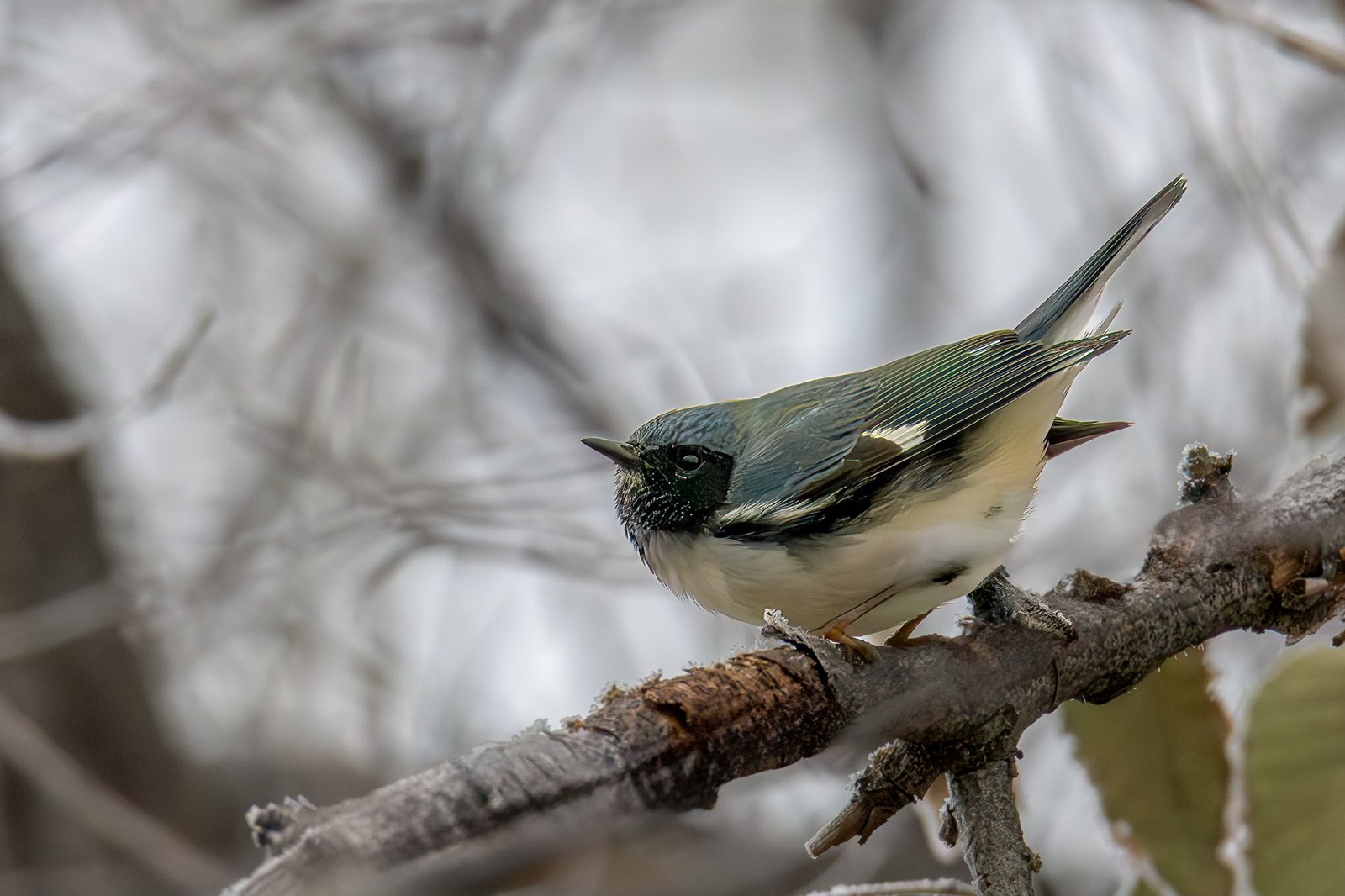
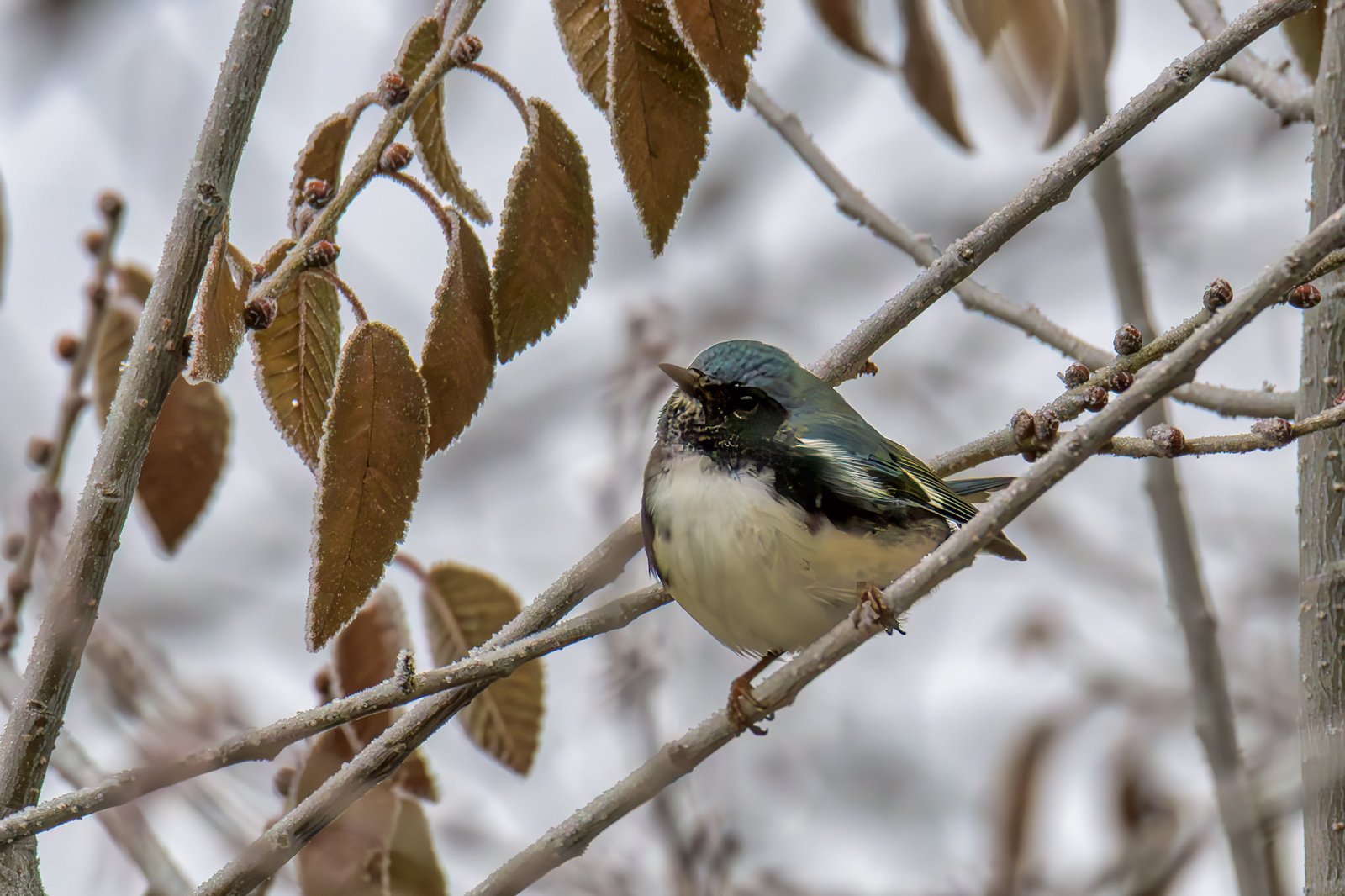
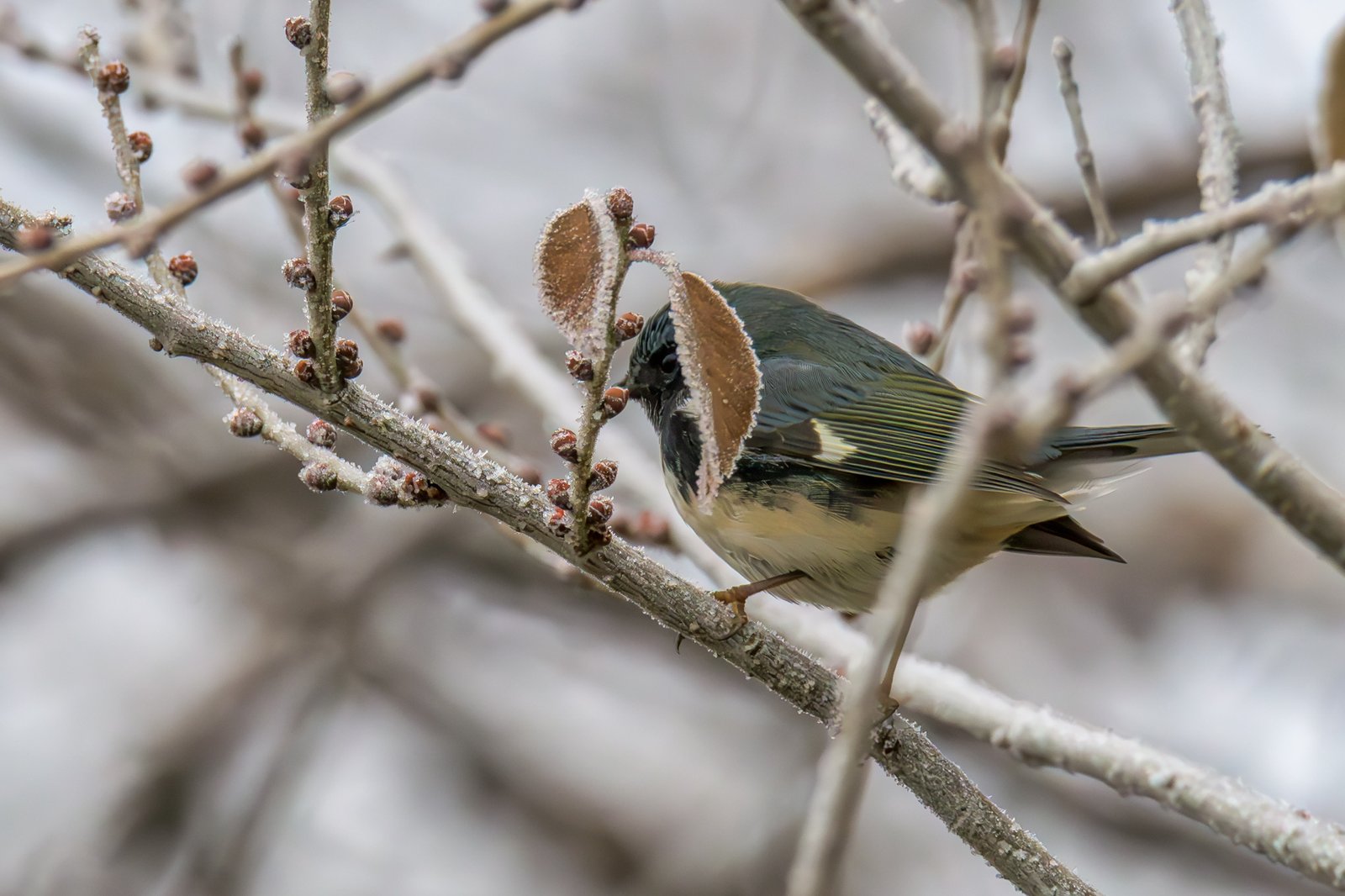
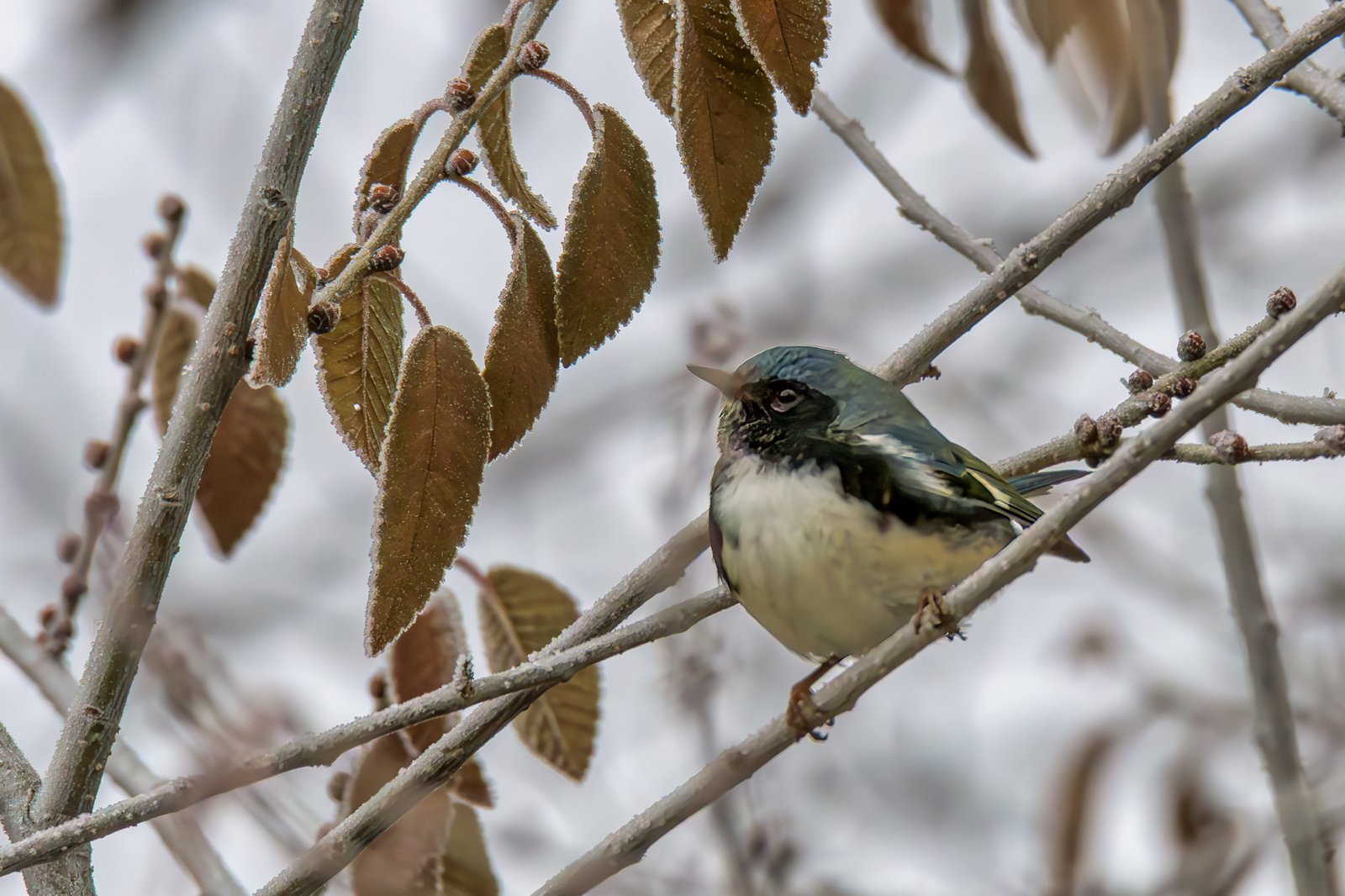
    In the blink of an eye, I was jumping in Sam Koenen’s “Birdvan” and we were off to chase a Black-throated Blue Warbler that lost its way during migration, and it ended up in an apple tree in small, old Lolo, Montana. Soon after arriving the rarity popped into view as it flitted about the frosted leaves. The bright blue of this bird penetrated through the otherwise gloomy overcast day (damn inversion!).

    Setophaga caerulescens - Black-throated Blue Warbler
    Setophaga caerulescens – Black-throated Blue Warbler

    The Black-throated Blue Warbler (Setophaga caerulescens), a visually striking migratory songbird, predominantly breeds in the eastern regions of North America and winters in the Caribbean. This species engages in a remarkable migratory journey at night, usually east of the Mississippi River and often in small groups, but not without occasional deviations from the expected route. These instances are termed “vagrancy.”

    Songbird migration involves a sophisticated navigational system in which the Black-throated Blue Warbler relies on celestial cues, geomagnetic information, and environmental landmarks. Nevertheless, factors such as adverse weather conditions, artificial light pollution, and anthropogenic landscape alterations can contribute to navigation errors, compelling these birds to stray from their intended migratory path.

    Studies on bird migration have investigated the impact of weather conditions on avian navigation. Strong winds and inclement weather, especially for young, inexperienced individuals, can disrupt the bird’s ability to adhere to its intended migratory route (Alerstam, 2006). 

    Setophaga caerulescens - Black-throated Blue Warbler
    Setophaga caerulescens – Black-throated Blue Warbler

    Light pollution, resulting from urbanization and human activities, represents a contemporary threat to migratory songbirds. Birds like the Black-throated Blue Warbler, which undertake nocturnal migrations, may become disoriented by artificial lights, leading to navigational errors (Longcore & Rich, 2004). As the human tumor expands, the impact of light pollution on avian migration will be increasing disruption, underscoring the need for mitigation strategies to minimize its disruptive human-caused effects.

    Anthropogenic alterations to landscapes also play a role in shaping migratory routes. Habitat loss and fragmentation, linked to human development, can force birds to navigate through unfamiliar territories, increasing the likelihood of errors in their migratory trajectory (Sekercioglu, 2006). Conservation efforts must thus focus on preserving and restoring natural habitats to maintain the integrity of established migratory routes.

    COPYRIGHT RADD ICENOGGLE

    While the phenomenon of vagrancy adds intrigue to birders with the prospect of a rarity, it also underscores the vulnerability of migratory species like the Black-throated Blue Warbler to various anthropogenic and environmental challenges. A comprehensive understanding of these challenges is essential for crafting effective conservation strategies that address human-induced factors influencing avian migration. As researchers and conservationists continue to unravel the intricacies of bird migration, the imperative to safeguard these species becomes increasingly apparent in the face of a rapidly changing world.

    References:

    Alerstam, T. (2006). Conflicting evidence about long-distance animal navigation. Science, 313(5788), 791-794.

    Longcore, T., & Rich, C. (2004). Ecological light pollution. Frontiers in Ecology and the Environment, 2(4), 191-198.

    Sekercioglu, C. H. (2006). Increasing awareness of avian ecological function. Trends in Ecology & Evolution, 21(8), 464-471.

  • The Oʻahu ʻAmakihi: A Glimpse into its Biology, Endemism, Evolutionary History, and Phylogeny
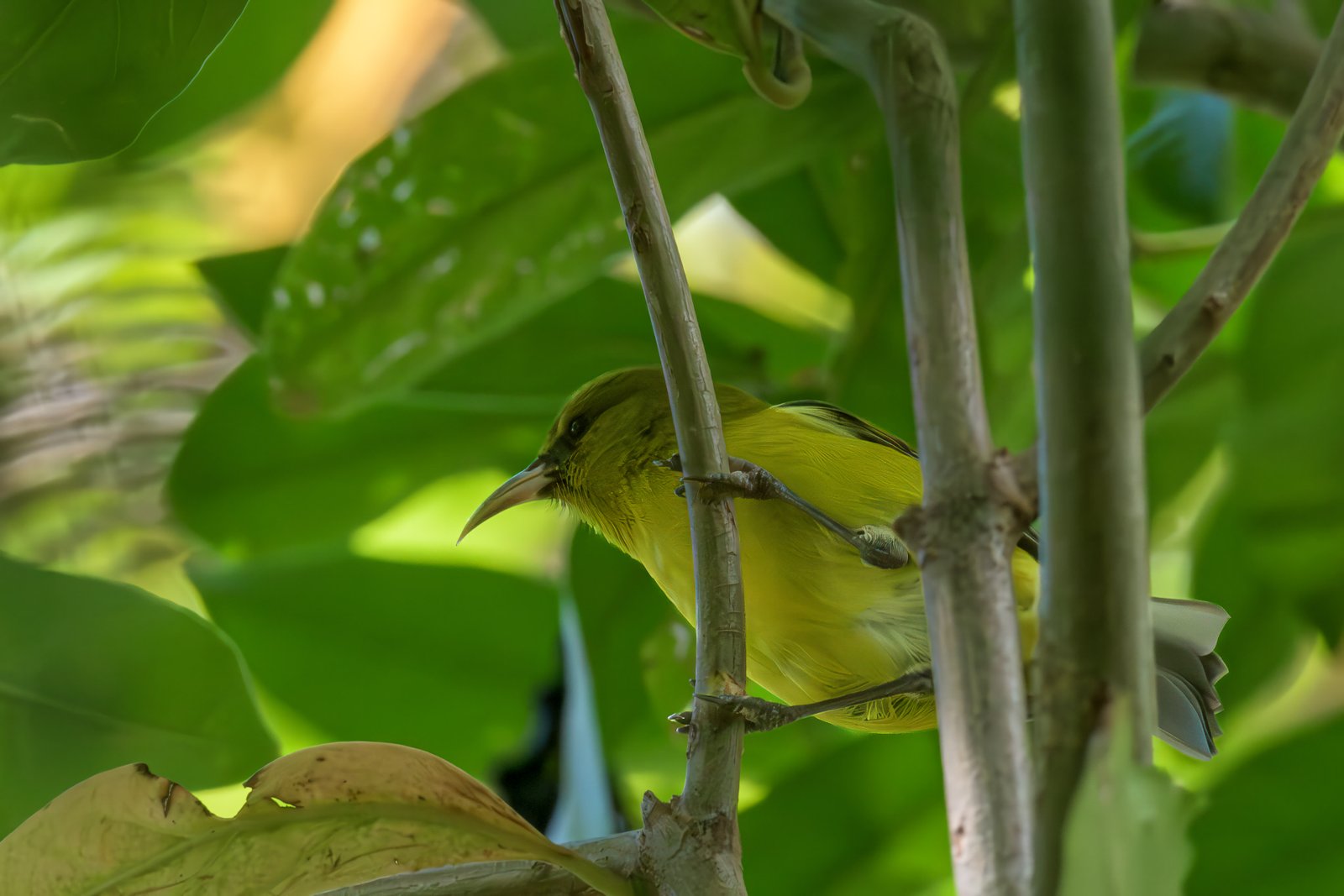
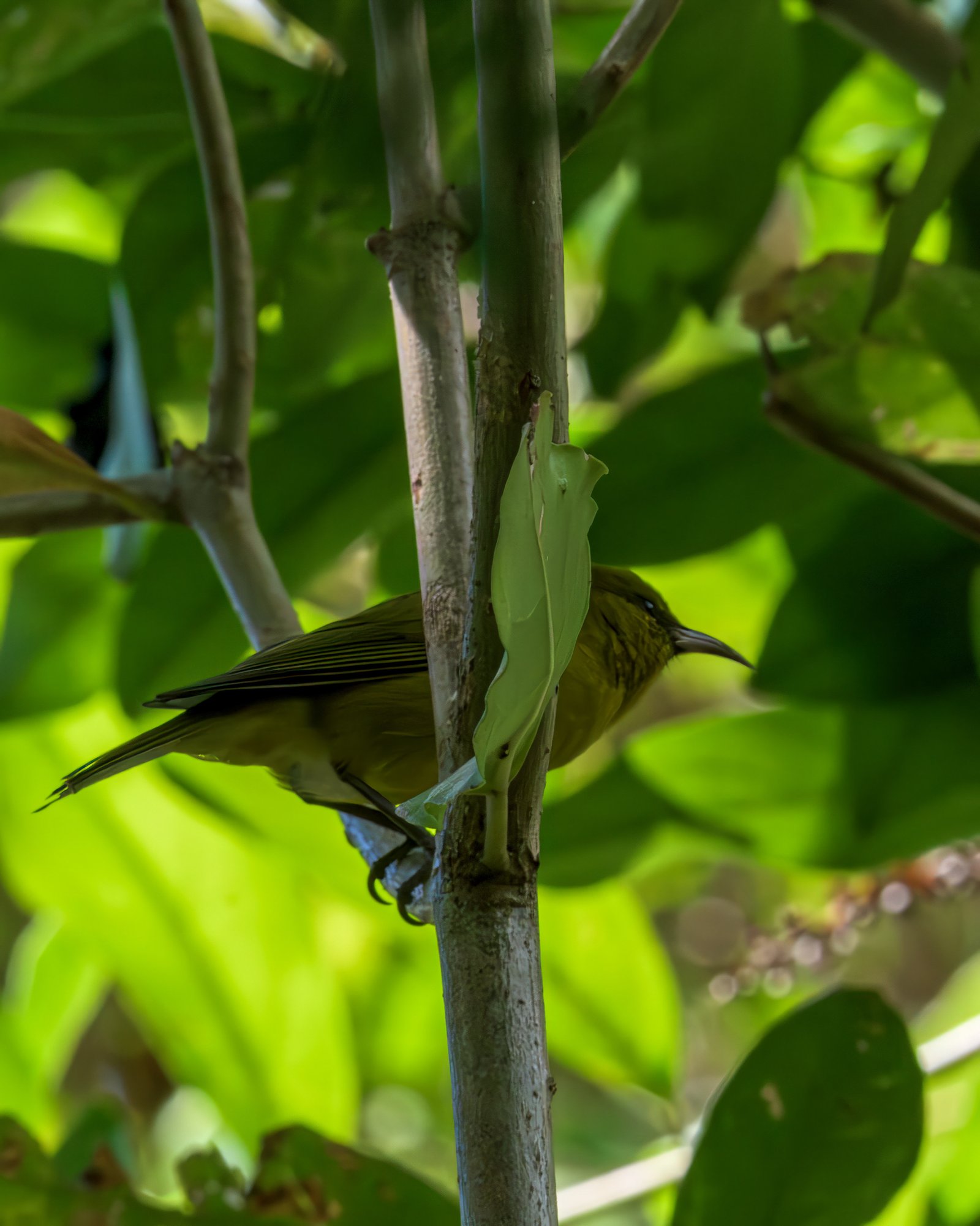
    Oʻahu ʻAmakihi - Chlorodrepanis flava
    Oʻahu ʻAmakihi – Chlorodrepanis flava

    Two shots…I got just two shots of an Oʻahu ʻAmakihi (Chlorodrepanis flava), and two photos were enough to scratch my Hawaiian endemic itch. Endemic to the island of Oahu (particularly, the wetter southern area of Oʻahu. Endemism refers to the phenomenon where a species is found exclusively in a particular geographic location, and this isolation can play a pivotal role in evolving unique characteristics. This small, vibrantly colored bird offers a fascinating glimpse into endemism, evolutionary history, and phylogeny.

    The Oʻahu ʻAmakih is a striking bird with vibrant yellow and green plumage, adorned with subtle streaks of gray. Typically ranging from 4 to 5 inches in length, these tiny birds are known for their slender, slightly curved bills that are perfectly adapted for extracting nectar from flowers, particularly the ʻōhiʻa lehua (Metrosideros polymorpha). This mutual relationship formed in a delicate dance of co-evolution between the ʻAmakihi and the flora they rely on for sustenance.

    Oahu, a pivotal island in the Hawaiian archipelago, likely played a crucial role in shaping the diverse morphologies observed among honeycreepers. The island’s formation facilitated cycles of colonization and speciation between Kauai and Oahu, contributing to the unique evolutionary tapestry of Chlorodrepanis flava and its fellow honeycreepers.

    Hawaiian honeycreepers are characterized by highly distinctive morphologies and are believed to have originated in the mid-late Pliocene, after the formation of Oahu but before the formation of Maui.

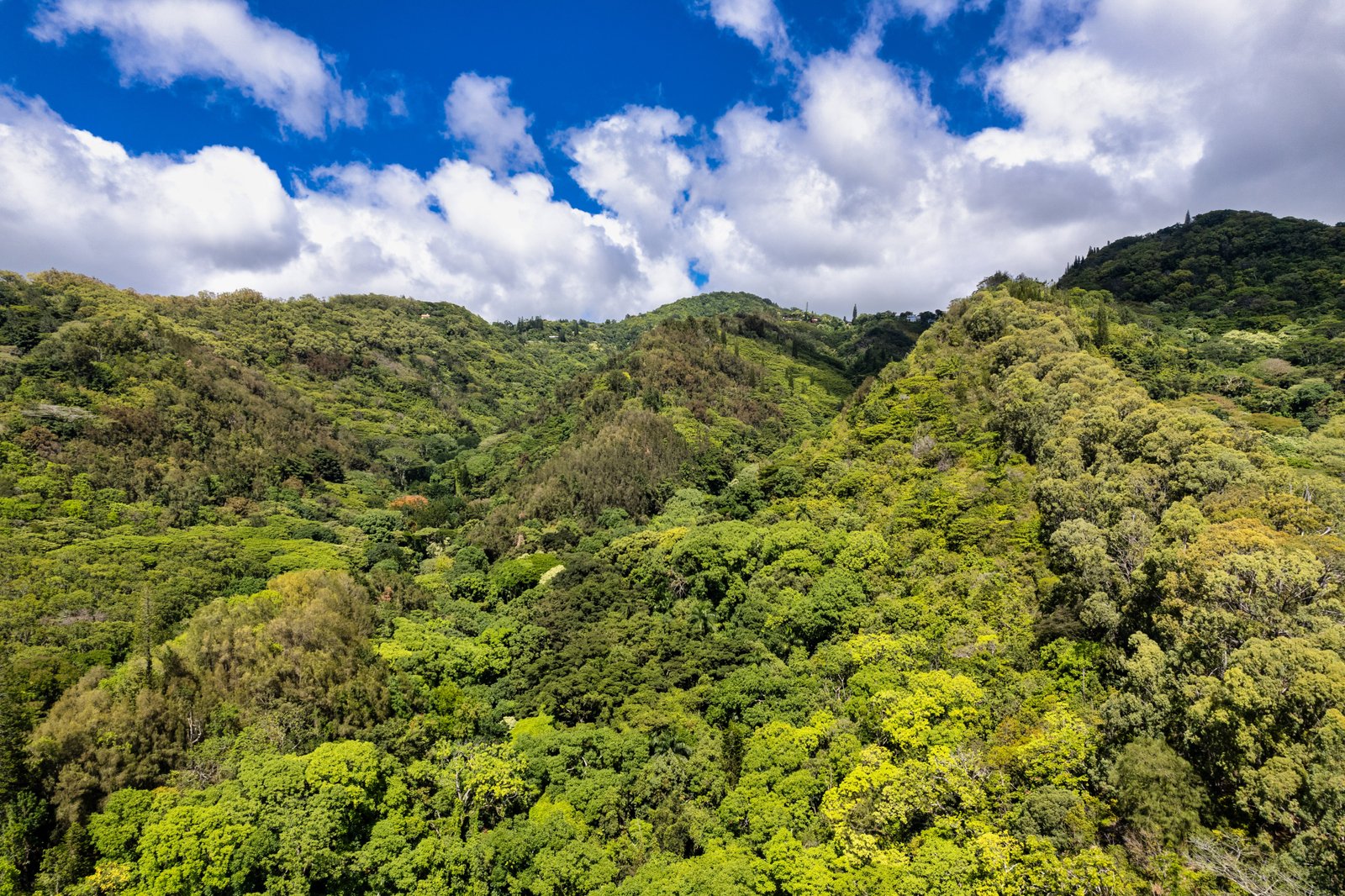
    Nakiki Valley
    Nakiki Valley

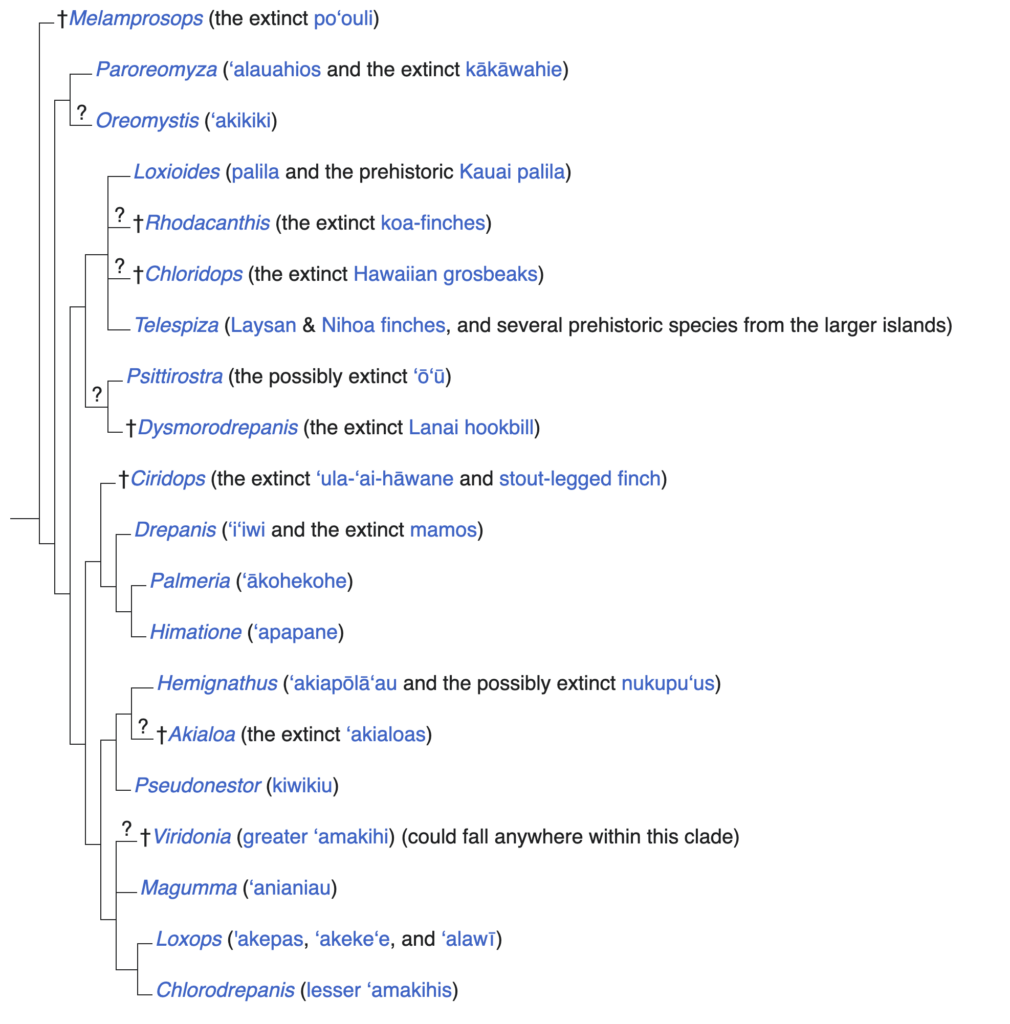
    Before the advent of molecular phylogenetic techniques, the classification of Hawaiian honeycreepers, including Chlorodrepanis flava, was a subject of controversy. Some authorities categorized them as a distinct family, Drepanididae, while others considered them a subfamily, Drepanidinae, within the finch family Fringillidae. Recently, the entire group has been incorporated into the finch subfamily Carduelinae.

    Chlorodrepanis flava, the Oʻahu ʻAmakihi, and other Hawaiian honeycreepers are now recognized as the sister taxon to Carpodacus. Their ancestors are believed to have originated in Asia, diverging from Carpodacus approximately 7.2 million years ago. The migration to and radiation on the Hawaiian Islands occurred between 5.7-7.2 million years ago, coinciding with the formation of Ni’ihau and Kauai.